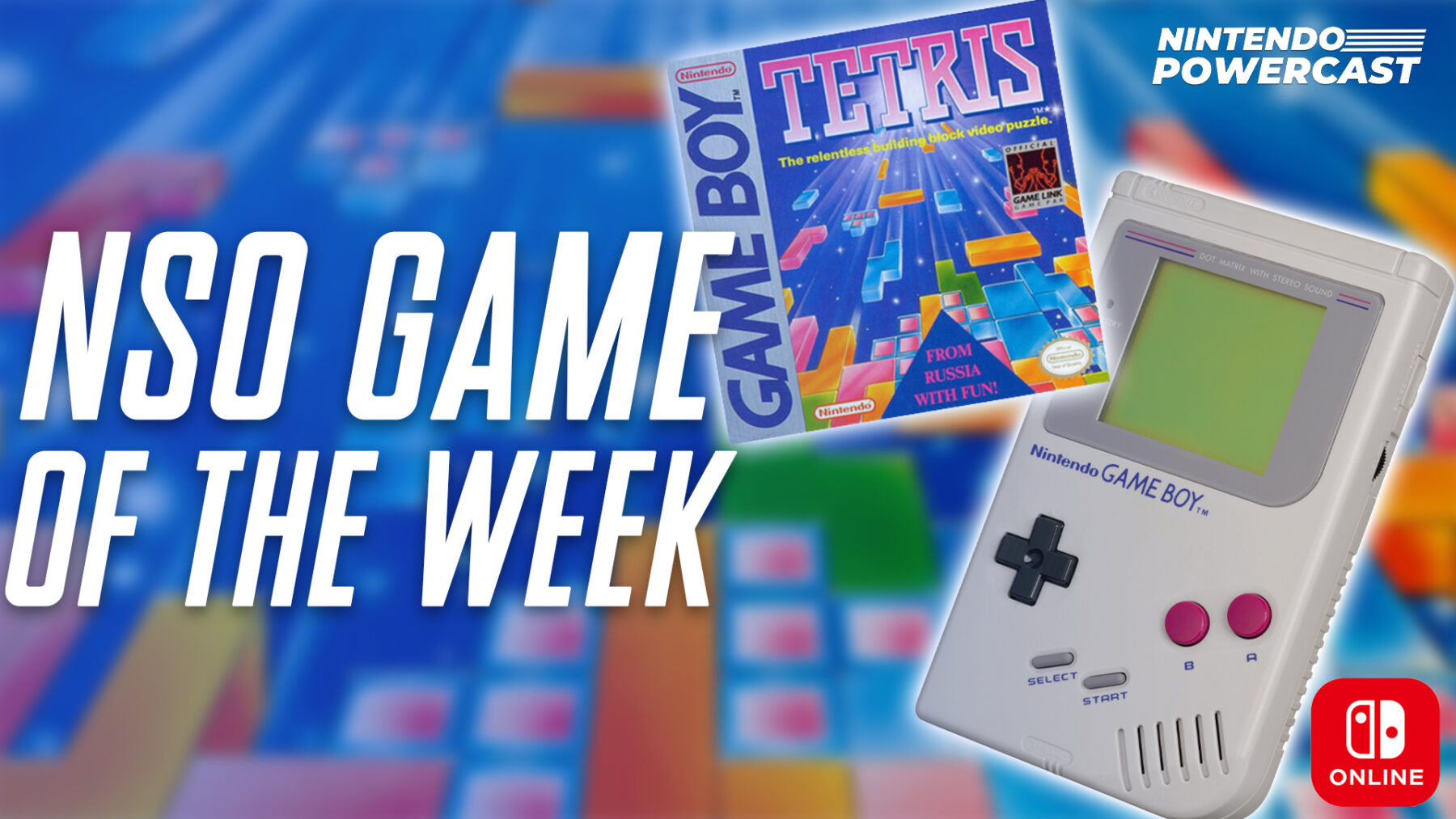
If you had a Game Boy, you probably played Tetris. For many players, it was their very first handheld game — and the one that got them hooked on gaming.
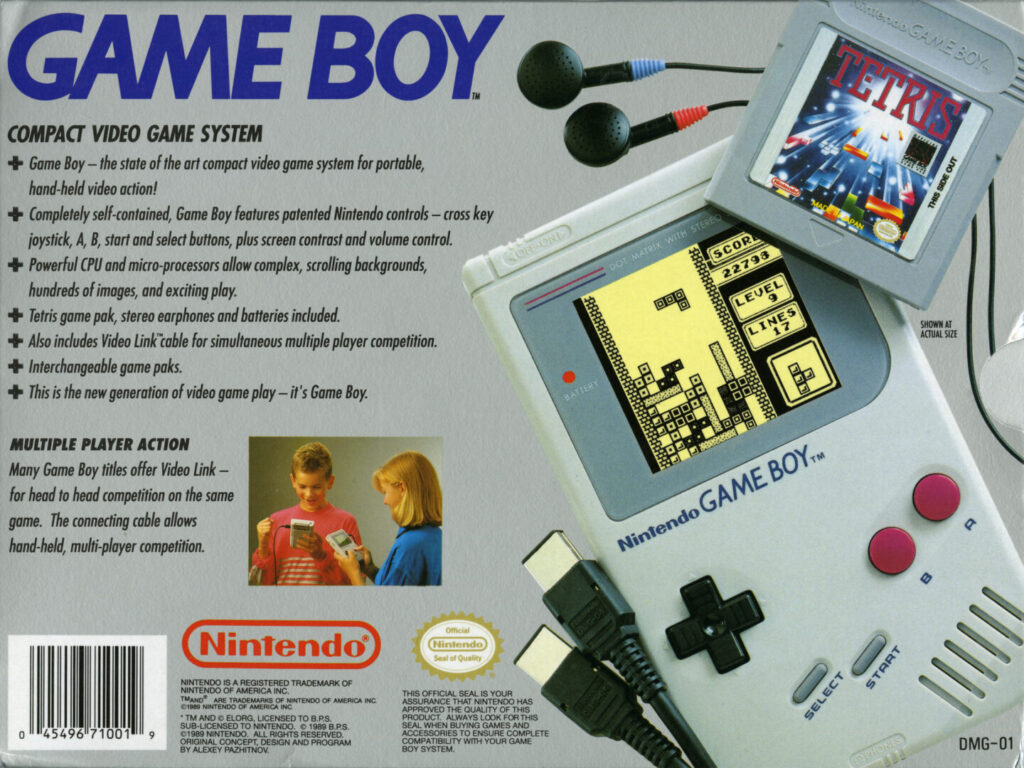
The Game Boy version of Tetris was released in 1989. It came bundled with the system and quickly became a global phenomenon. But this wasn’t just luck or clever marketing. Tetris has a backstory that involves Cold War politics, legal battles, and one of the best decisions Nintendo ever made.
From a Soviet Lab to Nintendo’s Biggest Win
Tetris was created in 1984 by a Soviet programmer named Alexey Pajitnov. He worked at the Academy of Sciences in Moscow. During downtime, he built a game where players rotated falling blocks to clear horizontal lines. The blocks were made of four squares, so he named it using “tetra” and his favorite sport, tennis.
There was just one problem: he didn’t own the rights.
As copies of Tetris spread, companies in the West tried to publish their versions. Without clear licensing, the game became the center of a complex legal fight. Eventually, Nintendo stepped in and secured the handheld rights. This led to Tetris becoming the pack-in game for the Game Boy.
Nintendo’s Smartest Decision
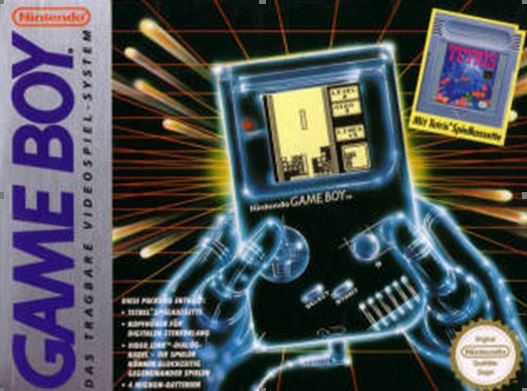
Nintendo originally planned to include Super Mario Land with the Game Boy. But the head of Nintendo of America, Minoru Arakawa, believed Tetris had broader appeal. It was a game anyone could play. It didn’t need color, complicated controls, or even instructions.
By bundling Tetris with the Game Boy, Nintendo didn’t just sell a system to kids; it also sold a game that would become a classic. They sold it to parents, business travelers, college students — everyone.
As a child, I was a bit indifferent towards Tetris because I wanted to be rescuing the princess or adventuring, but it still got its hooks in me. I remember Christmas night, my aunt and uncle pulled them out of their travel cases. It was as if the heavens opened when they unzipped that case and placed the Game Boy in my hand. Plugging in the link cable brought Mario and Luigi into the picture, and that was all I needed to be hooked.
Why Nintendo Bundled Tetris Instead of Mario
Nintendo originally planned to launch the Game Boy with Super Mario Land. But Minoru Arakawa, president of Nintendo of America, had another idea.
Tetris was simple, universal, and endlessly replayable. It didn’t rely on flashy graphics or detailed instructions. Anyone could pick it up and start playing.
By choosing Tetris, Nintendo expanded their audience. It wasn’t just kids asking for Game Boys anymore. Adults, office workers, and even grandparents were lining up to play.
Simple Rules, Deep Gameplay
Tetris is easy to learn but hard to master. Seven shapes, called tetrominoes, fall from the top of the screen. You rotate and stack them to complete lines. When a line fills, it disappears. If the stack reaches the top, it’s game over.
That’s it. No enemies. No story. No power-ups.
What makes it special is how the pace gradually increases. The player must stay calm, think ahead, and react quickly. The better you get, the more intense the game becomes.
That Music Everyone Knows
The famous “Type A” theme in the Game Boy version of Tetris is based on a Russian folk tune called “Korobeiniki.” Composer Hirokazu Tanaka turned it into a catchy loop that ramps up in speed as the game intensifies.
It’s one of the most recognizable game soundtracks ever, and it still plays in people’s heads decades later.
Type-A was my go-to, but all of them were equally iconic. The bass line in Type-A was typically missed without headphones, but it fills out the track.
Tetris Went Competitive, Too
One of the coolest features of the Game Boy version was the two-player mode. If you had a Link Cable and a friend with another Game Boy, you could battle head-to-head.
This wasn’t just about surviving longer — you could send garbage lines to your opponent, raising the stakes and making Tetris into a strategy game. It helped show that handheld gaming wasn’t just about passing time. It could be competitive.
Fun Facts That Might Surprise You
-
The first version of Tetris didn’t use graphics. It displayed blocks as letters on a green-screen terminal.
-
The Game Boy version features a rocket launch animation when you win. A Soviet space shuttle appears if you hit a high enough score.
-
The “Tetris Effect” is a real phenomenon. Scientists have studied how playing Tetris for extended periods can cause people to see blocks in their sleep and dreams.
-
Alexey Pajitnov, the game’s creator, didn’t make any money from it until years later, when the Soviet Union dissolved. He eventually formed The Tetris Company and regained the rights.
-
Nintendo’s decision to use Tetris helped sell over 35 million Game Boys. It made handheld gaming mainstream.
Why It Still Matters
Tetris didn’t need flashy graphics or new mechanics. It nailed the core of what makes a video game fun: challenge, flow, and replayability.
Even today, people still compete in Tetris tournaments. New versions of the game are released regularly. But the Game Boy version? That’s the one that made history.
All these years later, I feel hooked again, working towards that high score. The never-ending cycle of trying to build for a Tetris or keep the screen clear? It’s still a fun challenge to this day, and I think the Game Boy will forever be my preferred way to play.
Thanks for reading.
If you want the full breakdown, check out this week’s YouTube deep dive and join us live for the Nintendo PowerCast every Wednesday at 7:30 PM EST. We’ll wrap up the week, take community stories, and reveal the next NSO game.
And as always…
Play it loud!